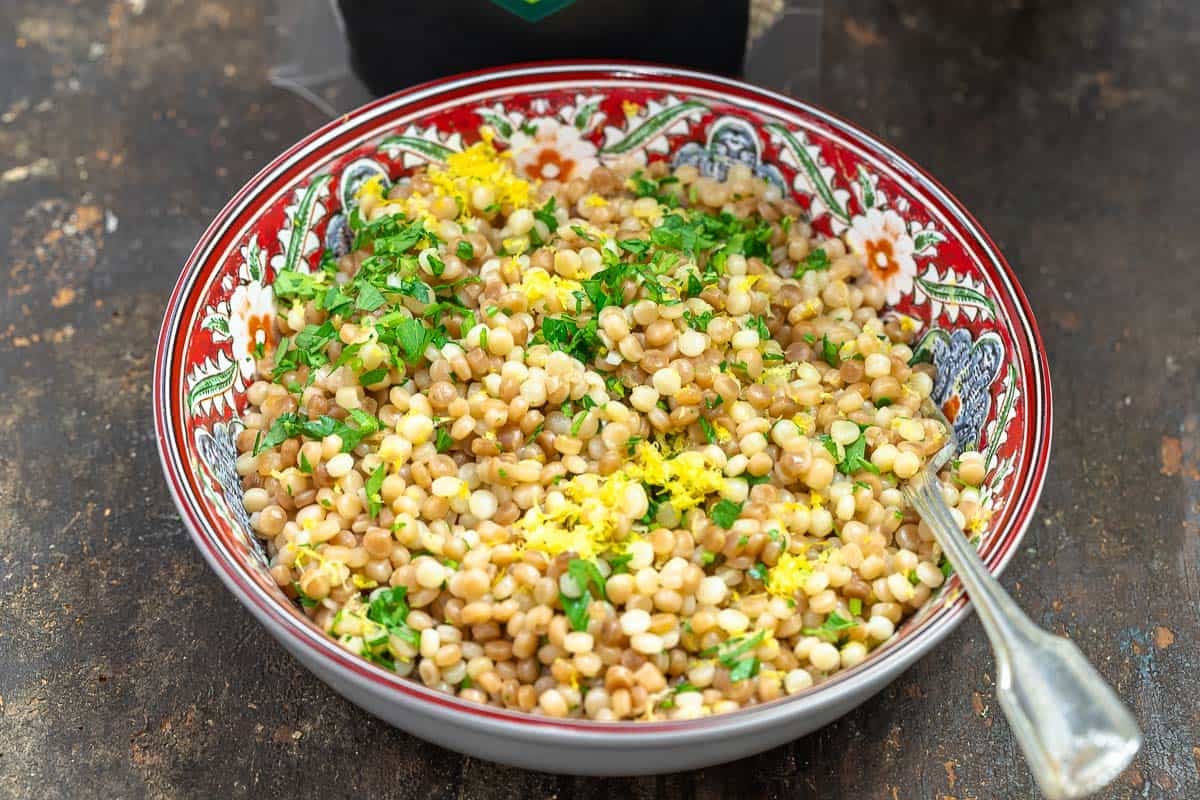
Unlock the Secret to Perfectly Fluffy, Non-Gummy Pearl Couscous Every Time
Often mistaken for a grain, pearl couscous – also known as Israeli couscous or maftoul – is actually a tiny, toasted pasta made from durum wheat. Its distinct, spherical shape and satisfying chew make it a versatile ingredient, perfect for absorbing vibrant flavors in salads, hearty pilafs, and nourishing bowls. However, achieving that ideal, bouncy texture without it turning into a sticky, gummy clump can sometimes feel like a culinary challenge. Fear not! With a few simple techniques and a deeper understanding of this delightful pasta, you can consistently cook fluffy, separate pearl couscous that will elevate any dish.
The journey to perfect pearl couscous begins before any liquid touches the pan. From the initial toasting to choosing the right cooking method and a crucial resting period, each step plays a vital role in ensuring your pearls are tender, distinct, and bursting with flavor.
The Foundational Flavor: Why Pre-Cooking Steps Matter
Just like toasting nuts or spices enhances their aroma and depth, giving your dry pearl couscous a quick toast before adding liquid is a game-changer. This seemingly small step:
- Wakes up the wheat: The heat activates the natural sugars, creating a more complex, nutty flavor profile.
- Builds a deeper base: This nuttiness provides a robust foundation for any herbs, spices, or sauces you'll add later.
- Contributes to texture: A light toast can help the exterior of the pearls firm up slightly, further preventing mushiness.
To toast, simply warm 1 tablespoon of olive oil (or butter for a richer note) in a medium saucepan over medium heat. Add 1 cup of dry pearl couscous and stir constantly for 2-3 minutes until the pearls smell nutty and develop golden spots. Be careful not to burn them! This foundational step is so impactful, it’s worth exploring further in our guide, Unlock Flavor: Why Toasting Pearl Couscous is a Game-Changer.
Choosing Your Liquid Wisely
The liquid you use is more than just a cooking medium; it's a key flavor contributor. Think about the final dish when making your selection:
- Water: Ideal when you want the pure, clean flavor of the couscous to shine, or if you plan to add strongly flavored ingredients later, such as salty cheese, highly seasoned meats, or bold dressings.
- Broth (Chicken, Vegetable): Adds significant depth and savory notes. If using broth, especially store-bought, opt for a low-sodium variety to control the salt content. Always taste your broth before adding extra salt to the couscous.
Beyond the liquid, consider aromatics. Sautéing finely diced onion, garlic, or shallots in the oil *before* toasting the couscous can infuse a fragrant perfume throughout your dish with minimal effort.
Mastering Cooking Methods for Perfect Pearl Couscous
There are several effective ways to cook pearl couscous, each offering slight variations in texture and convenience. Whether you prefer a tender chew, a firmer bite, or lightning-fast results, understanding these methods is key.
1. The Absorption Method (Stovetop)
This is arguably the most common and versatile method, delivering a tender yet distinct pearl. It's excellent for pilafs, warm salads, or as a side dish.
- Ratio: For 1 cup of dry pearl couscous, aim for 1½ cups of hot water or broth. You can reduce the liquid slightly to 1¼ cups for a firmer bite, especially if you plan for the couscous to soak up a lot of dressing.
- Process:
- Perform the toasting step as described above with 1 cup pearls and 1 tablespoon oil.
- Stir in 1½ cups hot liquid and a pinch of salt (adjust to taste, especially if using salted broth).
- Bring the mixture to a steady simmer over medium-high heat.
- Once simmering, cover the saucepan tightly, reduce the heat to low, and cook for 8-10 minutes. The goal is for the liquid to be almost completely absorbed, leaving the pearls with a delightful tender chew.
- The Crucial Rest: Turn off the heat but keep the lid on for an additional 5 minutes. This vital resting period allows the starch to relax, ensuring the pearls separate beautifully when fluffed and preventing a gummy texture.
- Finally, remove the lid and gently fluff with a fork.
- Equipment: A medium saucepan with a tight-fitting lid is essential.
2. The Pasta-Style Method (Boil & Drain)
If you prefer a firmer, more resilient pearl that holds its shape exceptionally well, particularly for cold salads where it will absorb dressings without becoming mushy, the pasta-style method is your go-to.
- Ratio: Treat it like regular pasta. Use plenty of well-salted water – 4-6 cups for every 1 cup of dry pearl couscous.
- Process:
- Bring 4-6 cups of well-salted water to a rolling boil in a wider pot (this helps speed up boiling and reduces sticking).
- Add 1 cup of pearl couscous to the boiling water, stir well to prevent clumping, and simmer for 7-9 minutes.
- Start checking for doneness around the 7-minute mark. You're looking for pearls with a springy, al dente center – tender but with a slight bite.
- Drain the couscous thoroughly using a fine-mesh sieve.
- Post-Drainage Tip: Immediately toss the drained couscous with a drizzle of olive oil. This simple step is excellent for preventing the pearls from sticking together as they cool, ensuring a loose, separate texture.
3. The Pressure Cooker Method
For busy nights or meal prep, the pressure cooker offers a fast, consistent, and hands-off approach, yielding perfectly cooked pearls every time.
- Ratio: For 1 cup of pearl couscous, use 1¼ cups of water or broth, ½ tablespoon of oil, and a pinch of salt.
- Process:
- Combine all ingredients in your pressure cooker insert.
- Cook on High Pressure for 5 minutes.
- Perform a quick release of the pressure.
- Crucial Rest: After releasing the pressure, let the couscous sit, covered, for another 5 minutes inside the cooker. This allows the internal steam to dissipate and the pearls to fully hydrate and separate.
- Fluff with a fork and serve.
For an even deeper dive into these techniques and to further refine your skills, check out our companion article: Master Pearl Couscous: Absorption, Pasta, and Pressure Cooking.
Beyond the Basics: Flavor Boosters and Serving Ideas
Once you've mastered the basic cooking, the real fun begins with flavor customization. Pearl couscous is an incredible canvas for a wide array of ingredients:
- Herbs & Zest: Fresh chopped parsley, cilantro, mint, or dill add brightness. Lemon or orange zest can provide an aromatic lift. Stir these in while the couscous is still warm to allow their flavors to gently infuse.
- Roasted Vegetables: Toss in warm, roasted bell peppers, zucchini, cherry tomatoes, or sweet potatoes for a hearty addition. Their sweetness and texture complement the couscous beautifully.
- Spices: A pinch of cumin, coriander, or paprika added during the toasting phase can transport your dish to different culinary regions.
- Finishing Touches: A final drizzle of high-quality olive oil, a knob of butter, or a squeeze of fresh lemon juice before serving can dramatically enhance the overall taste and texture.
Pearl couscous shines in countless applications:
- As a side dish: A simple, lemon-herb infused couscous is a fantastic accompaniment to grilled fish, chicken, or lamb.
- In salads: Its robust texture holds up well in cold salads, soaking up vinaigrettes without getting soggy. Imagine a vibrant Lemon Herb Pearl Couscous Salad with crisp cucumber, juicy tomatoes, and feta cheese.
- Pilafs: Combined with sautéed vegetables, nuts, dried fruits, and broth, it makes a satisfying main or side.
- Bowls: Use it as a base for grain bowls, topped with proteins, roasted vegetables, and a flavorful dressing.
Troubleshooting: Avoiding Gummy Couscous
The dreaded gummy texture is usually a result of one or more common mistakes:
- Overcooking: Cooking for too long breaks down the starch, leading to a sticky mess. Stick to the recommended times and check for doneness.
- Incorrect Liquid Ratio (Absorption Method): Too much liquid will drown the pearls; too little will leave them undercooked and potentially sticky as they try to absorb moisture unevenly.
- Skipping the Rest: The 5-minute covered rest after cooking (in both absorption and pressure cooker methods) is absolutely vital. It allows the pearls to fully hydrate, steam evenly, and prevents them from clumping together.
- Not Fluffing: Gently separating the pearls with a fork after cooking and resting is crucial for a light, airy texture.
Conclusion
Cooking perfectly fluffy, non-gummy pearl couscous is an achievable culinary delight that will enhance your meals with its unique texture and incredible versatility. By incorporating foundational steps like toasting, understanding the nuances of different cooking methods—be it the stovetop absorption, pasta-style boil, or the convenience of a pressure cooker—and recognizing the importance of a proper rest, you can transform this humble pasta into a star ingredient. Experiment with various liquids, aromatics, and post-cook additions to truly unlock its potential. With these techniques in your repertoire, you're ready to create pearl couscous dishes that are consistently tender, distinct, and irresistibly delicious, every single time.
